Trailing Hydrangea: The Perfect Vine For Your Garden
Trailing Hydrangea: The Perfect Vine for Your Garden
Climbing hydrangea (Hydrangea anomala petiolaris) is a beautiful and versatile vine that can add a touch of elegance to any garden. It is native to Asia, and its delicate white flowers bloom in summer. Climbing hydrangea is a relatively easy plant to care for, and it can grow in a variety of conditions.
In this blog post, we will discuss the following:
- The benefits of planting climbing hydrangea in your garden
- How to choose the right location for your climbing hydrangea
- How to plant and care for climbing hydrangea
- Common problems with climbing hydrangea and how to solve them
Benefits of Planting Climbing Hydrangea
There are many benefits to planting climbing hydrangea in your garden. Here are a few of the most notable:
- Beautiful flowers: Climbing hydrangea produces delicate white flowers that bloom in summer. The flowers are arranged in clusters, and they have a sweet fragrance.
- Versatile: Climbing hydrangea can be trained to climb a variety of surfaces, including trellises, fences, walls, and trees. It can also be grown as ground cover.
- Easy to care for: Climbing hydrangea is a relatively easy plant to care for. It is drought-tolerant and can withstand a variety of soil conditions.
- Attracts wildlife: Climbing hydrangea attracts butterflies, bees, and other pollinators. It is also a good choice for birdhouses, as it provides nesting material for birds.
Choosing the Right Location
When choosing a location for your climbing hydrangea, there are a few things to keep in mind:
- Sunlight: Climbing hydrangea prefers full sun, but it can also tolerate partial shade.
- Soil: Climbing hydrangea prefers well-drained soil. If your soil is heavy clay, you may need to amend it with sand or compost.
- Support: Climbing hydrangea needs something to climb on. This could be a trellis, fence, wall, or tree.
Planting and Care
Climbing hydrangea is best planted in the spring or fall. When planting, dig a hole that is twice the width and depth of the plant's root ball. Backfill the hole with soil, and water the plant well.
Climbing hydrangea is a relatively low-maintenance plant. It does not need to be fertilized often, and it is drought-tolerant. However, it is important to water the plant regularly during the first year after planting.
Common Problems and Solutions
Climbing hydrangea is a relatively problem-free plant. However, there are a few common problems that you may encounter:
- Leaf spot: Leaf spot is a fungal disease that can cause brown spots on the leaves. To prevent leaf spot, water the plant at the base, and avoid overhead watering.
- Aphids: Aphids are small insects that can suck the sap from the leaves. To control aphids, spray the plant with insecticidal soap or neem oil.
- Winter damage: Climbing hydrangea can be damaged by cold weather. If you live in a cold climate, you may need to protect the plant from the cold by covering it with burlap or a tarp.
Conclusion
Climbing hydrangea is a beautiful and versatile vine that can add a touch of elegance to any garden. It is relatively easy to care for, and it can thrive in a variety of conditions. If you are looking for a new plant to add to your garden, climbing hydrangea is a great option.
Trailing hydrangeas are a beautiful and versatile plant that can add a touch of elegance to any garden. They are known for their cascading blooms, which can range in color from white to blue to pink. Trailing hydrangeas are also relatively easy to care for, making them a great choice for even the most novice gardener.
If you are interested in learning more about trailing hydrangeas, I suggest you visit . This website has a wealth of information about the plant, including its history, care requirements, and varieties. You can also find helpful tips on how to plant, grow, and maintain trailing hydrangeas in your own garden.
FAQ of trailing hydrangea
1. What is a trailing hydrangea?
A trailing hydrangea is a type of hydrangea that grows in a cascading or trailing manner. It is a deciduous shrub that can grow up to 6 feet tall and wide. Trailing hydrangeas are known for their beautiful flowers, which can be white, pink, blue, or purple.
2. How do I care for a trailing hydrangea?
Trailing hydrangeas are relatively easy to care for. They prefer full sun to partial shade and moist, well-drained soil. They should be watered regularly, especially during the summer months. Trailing hydrangeas can be pruned in the spring to remove dead or damaged stems.
3. What are some common problems with trailing hydrangeas?
Some common problems with trailing hydrangeas include:
- Leaf spot: This is a fungal disease that can cause leaves to turn brown and fall off.
- Powdery mildew: This is a fungal disease that can cause leaves to become covered in a white powder.
- Aphids: These small insects can suck the sap out of leaves, causing them to wilt and curl.
- Slugs and snails: These pests can eat the leaves of trailing hydrangeas.
4. How do I propagate a trailing hydrangea?
Trailing hydrangeas can be propagated by cuttings or division.
- To propagate by cuttings, take a 6-inch cutting from a healthy plant in the spring or summer. Remove the lower leaves from the cutting and dip it in rooting hormone. Plant the cutting in a pot of moist potting mix and keep it in a shady spot. The cutting should root in about 6-8 weeks.
- To propagate by division, dig up a mature plant in the spring or fall. Use a sharp knife to divide the plant into several sections. Each section should have at least 3-4 roots. Plant the divisions in a pot or in the garden and water well. The divisions should establish themselves in about 6-8 weeks.
5. What are some tips for planting trailing hydrangeas?
Here are some tips for planting trailing hydrangeas:
- Choose a location that gets full sun to partial shade.
- Amend the soil with compost or peat moss to improve drainage.
- Plant the hydrangea at the same depth as it was growing in the nursery pot.
- Water the hydrangea well after planting.
Image of trailing hydrangea
5 different images of trailing hydrangea from Pinterest:
- Image 1: A trailing hydrangea cascading over a white fence.
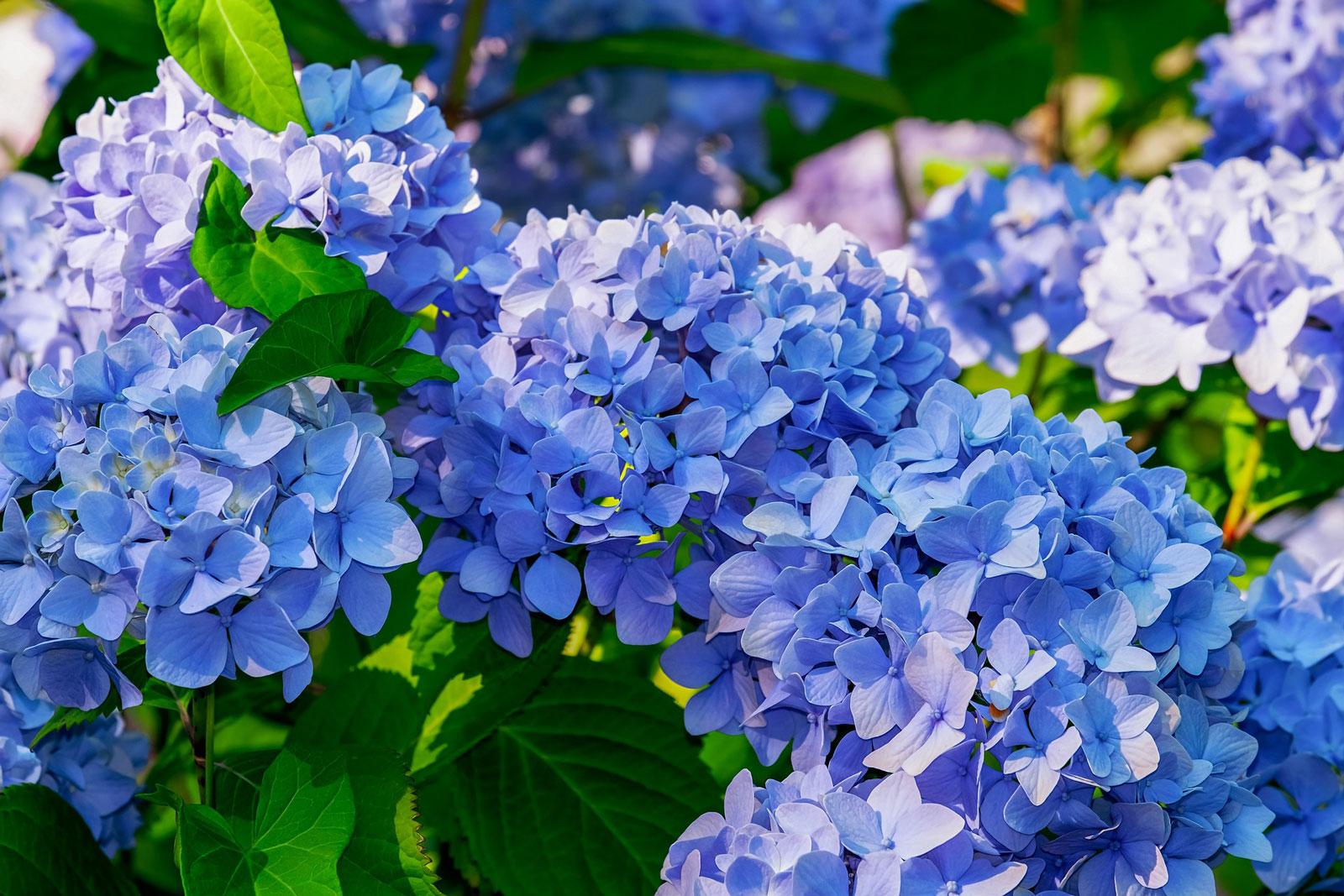
- Image 2: A close-up of a trailing hydrangea flower, with its delicate petals and blue-green leaves.

- Image 3: A trailing hydrangea growing in a hanging basket, with its flowers spilling over the sides.
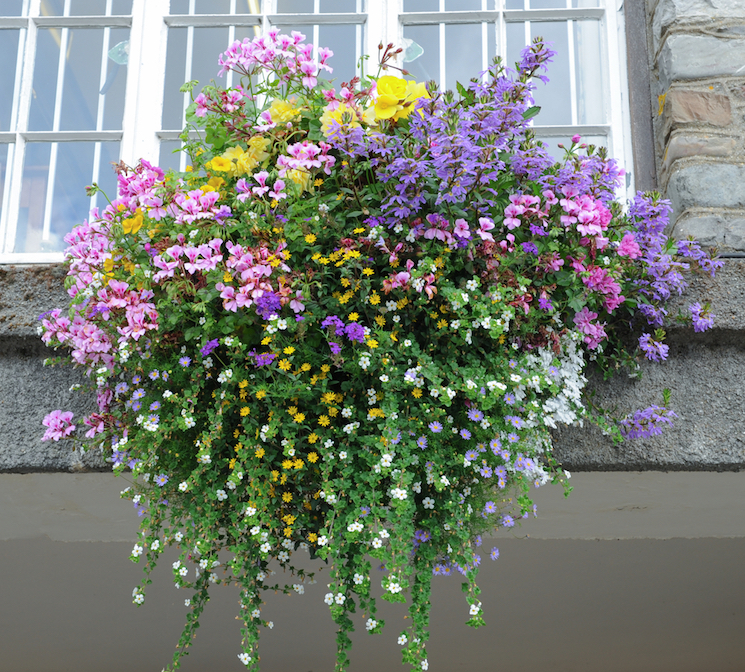
- Image 4: A trailing hydrangea planted in a garden, with its flowers adding color to the landscape.

- Image 5: A group of trailing hydrangeas, all in bloom, creating a beautiful display.


Post a Comment for "Trailing Hydrangea: The Perfect Vine For Your Garden"