The Perfect Pairings For Summer Tomatoes
The Perfect Pairings for Summer Tomatoes
Summer is the time for tomatoes, and when it comes to pairing tomatoes with wine, there are a few things to keep in mind. First, tomatoes are a naturally acidic food, so you'll want to choose a wine that has some acidity to match. Second, tomatoes can be sweet or savory, so you'll want to choose a wine that complements the flavor profile of the dish you're serving.
Here are a few of the best wine pairings for summer tomatoes:
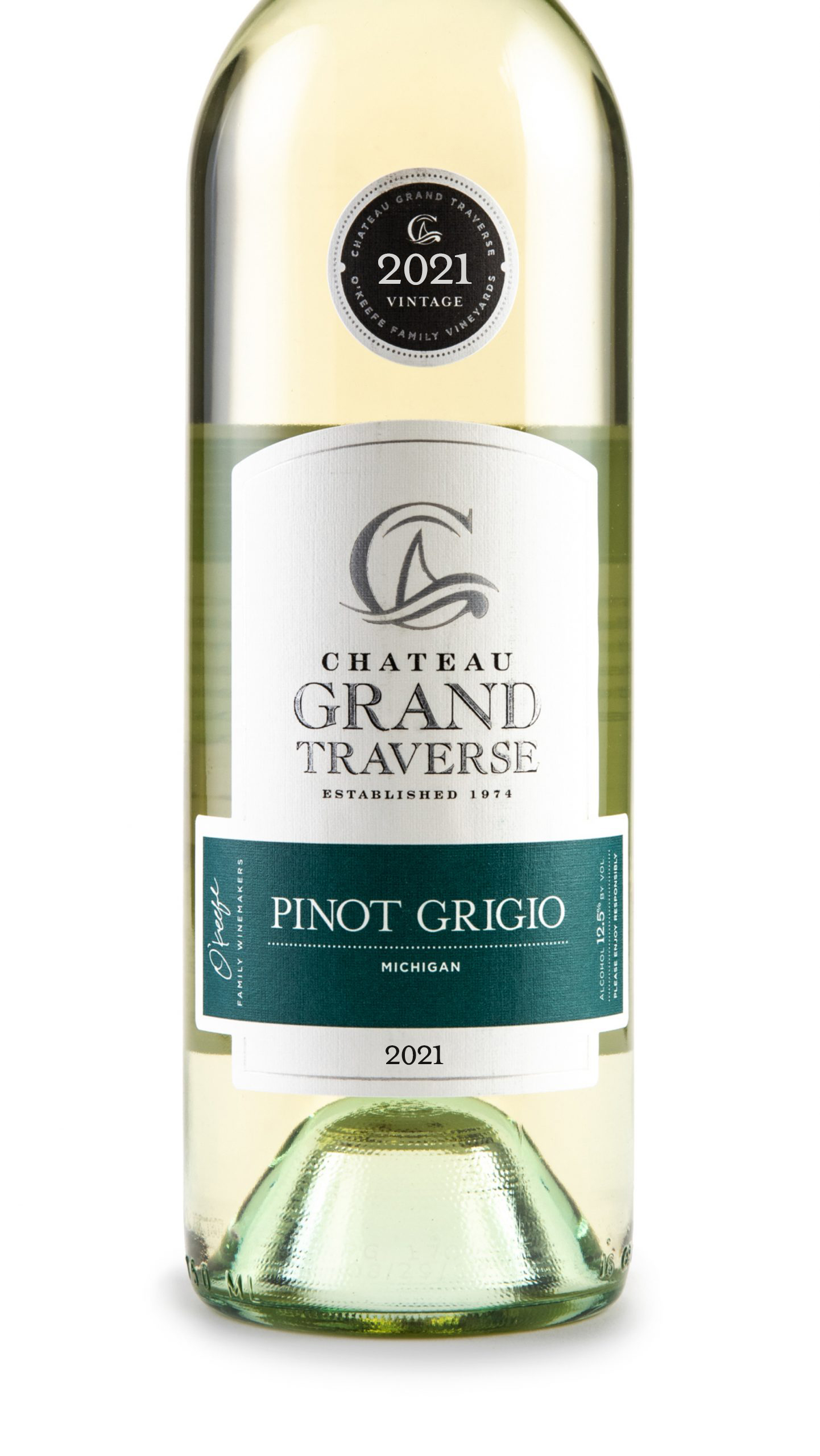
- White wines: Sauvignon Blanc, Pinot Grigio, and Falanghina are all great choices for pairing with tomatoes. These wines have enough acidity to balance the tomatoes' acidity, and they also have bright fruit flavors that complement the tomatoes' sweetness.


- Sparkling wines: Rosé sparkling wines are a great choice for pairing with summer tomatoes. The bubbles in the wine help to cut through the acidity of the tomatoes, and the fruit flavors in the wine complement the tomatoes' sweetness.
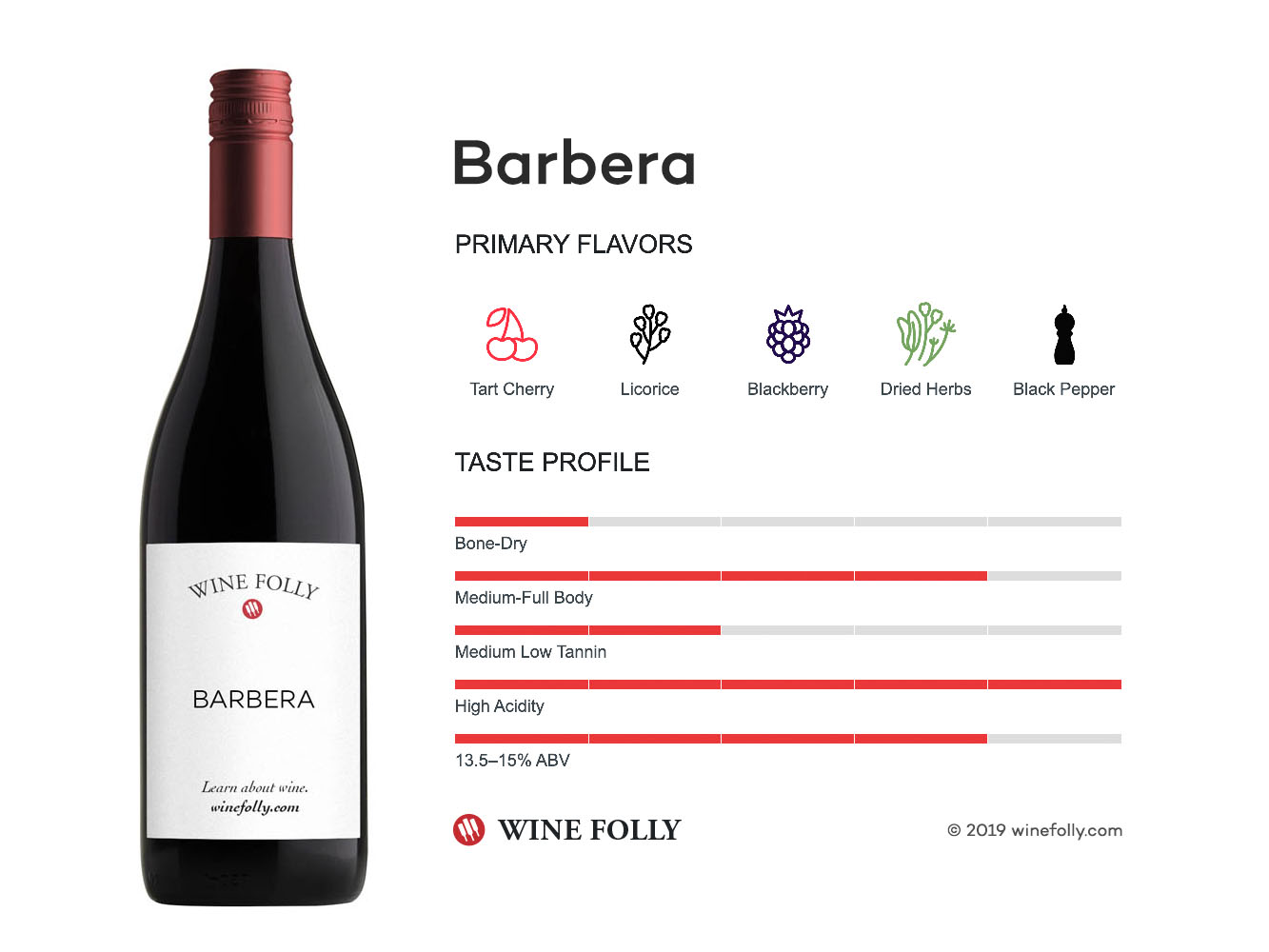
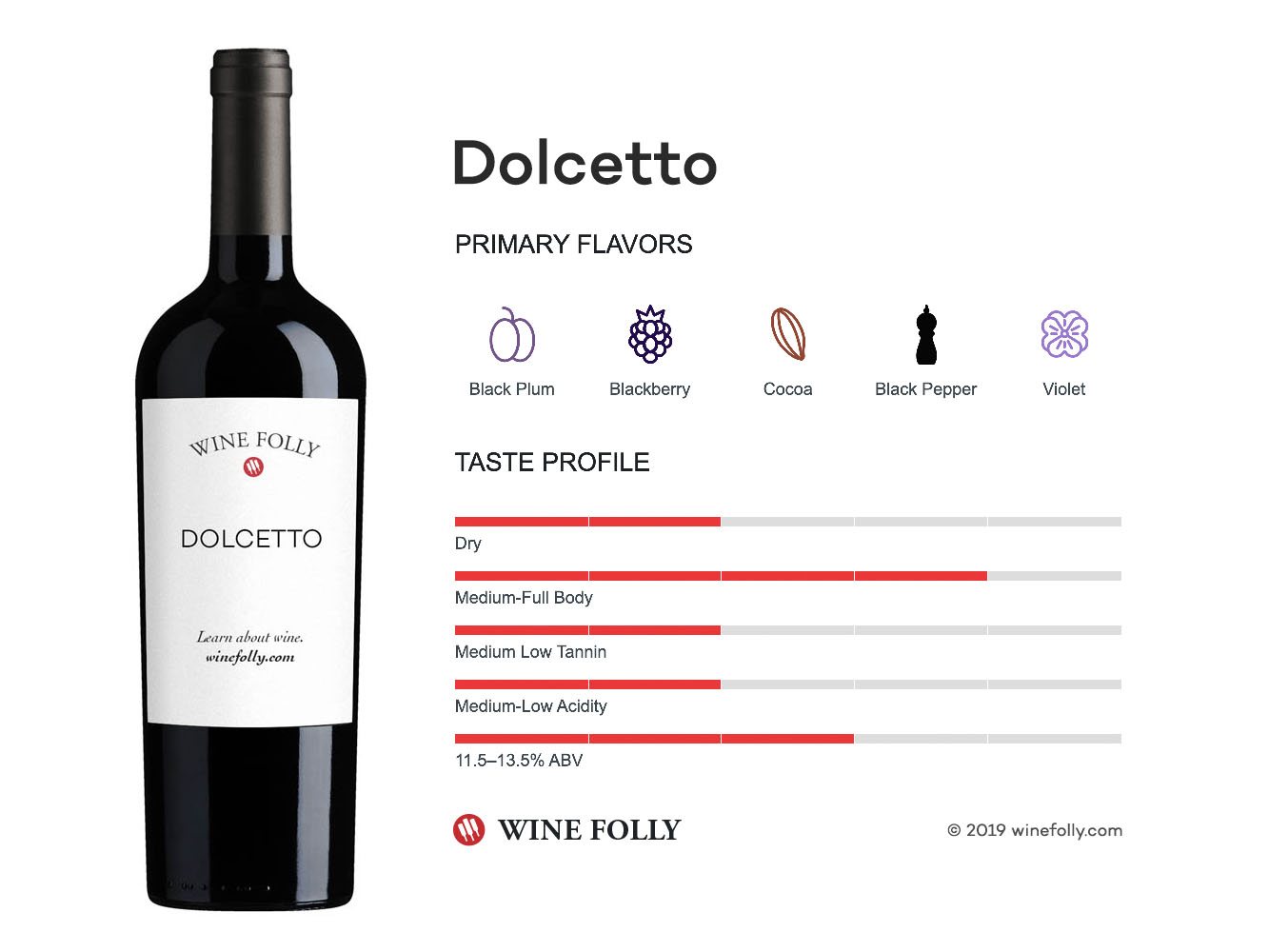
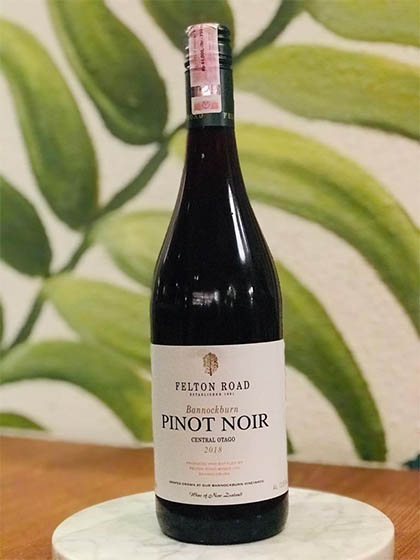
- Red wines: Light-bodied red wines such as Barbera, Dolcetto, and Pinot Noir can also be good pairings for summer tomatoes. These wines have enough acidity to balance the tomatoes' acidity, and they also have fruity flavors that complement the tomatoes' sweetness.
Here are some specific examples of how to pair wines with tomato dishes:
- Caprese salad: A classic Caprese salad is made with fresh mozzarella, tomatoes, and basil. A light, fruity white wine such as Sauvignon Blanc or Pinot Grigio would be a perfect pairing for this dish.
- Gazpacho: Gazpacho is a cold Spanish soup made with tomatoes, cucumbers, peppers, and onions. A refreshing white wine such as Albariño or Falanghina would be a great pairing for this dish.
- Pasta with tomato sauce: A simple pasta with tomato sauce is a classic summer dish. A light-bodied red wine such as Barbera or Dolcetto would be a good pairing for this dish.
- Grilled tomatoes: Grilled tomatoes are a great summer side dish. A fruity red wine such as Pinot Noir or Zinfandel would be a good pairing for this dish.
Of course, these are just a few suggestions. There are many other great wine pairings for summer tomatoes. The best way to find the perfect pairing for you is to experiment and see what you like best.
Tomatoes are a delicious and versatile vegetable that can be enjoyed in many different ways. But did you know that there are certain plants that can help to improve the growth and productivity of tomatoes? These plants, known as "tomato companions," can help to attract beneficial insects, deter pests, and improve the overall health of your tomato plants.
If you're interested in learning more about tomato companions, I recommend visiting Gardenia Inspiration. This website provides a comprehensive list of tomato companions, as well as information on how to plant and care for them. You'll also find tips on how to use tomato companions to improve the yield and quality of your tomato harvest.
FAQ of tomato companions
5 Most Frequently Asked Questions About Tomato Companions
Q: What are tomato companions?
A: Tomato companions are plants that can be planted near tomatoes to benefit each other. Some companion plants attract beneficial insects, while others help to deter pests. Some can even improve the flavor of tomatoes.
Q: What are some good tomato companions?
A: Some good tomato companions include:
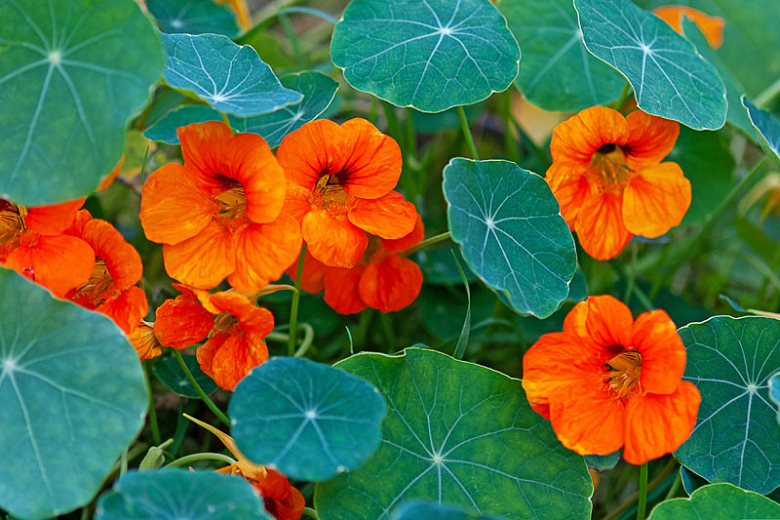
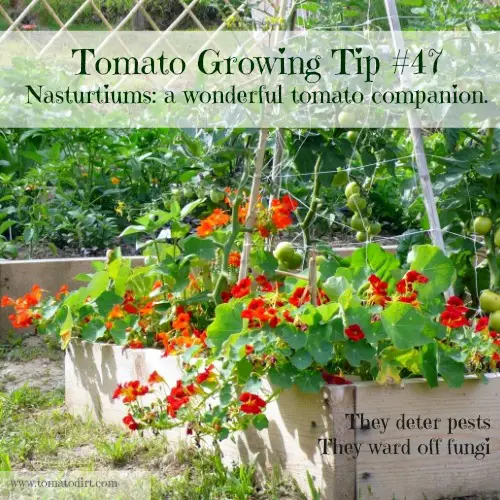
- Nasturtiums: Nasturtiums attract beneficial insects, such as ladybugs and lacewings, which help to control pests. They also help to deter aphids and whiteflies.
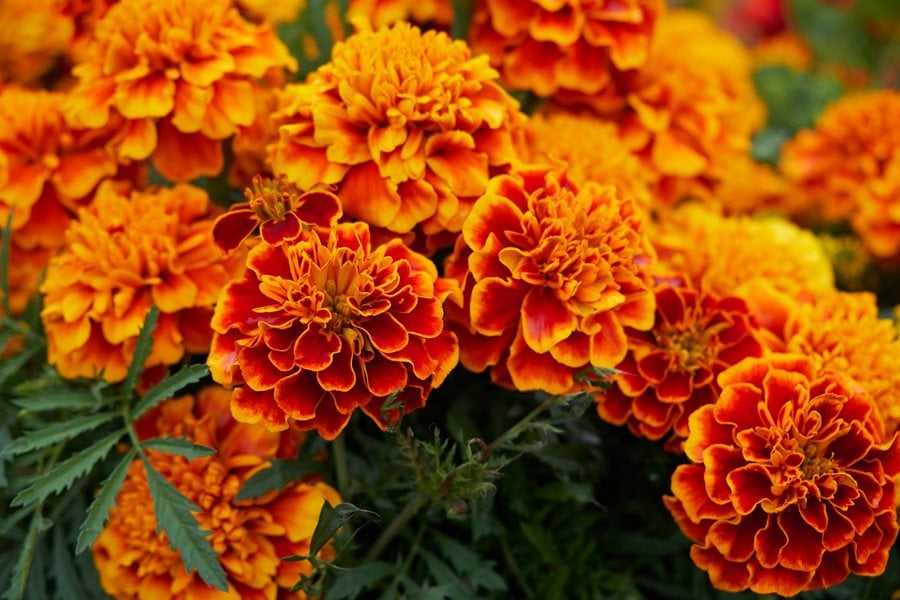
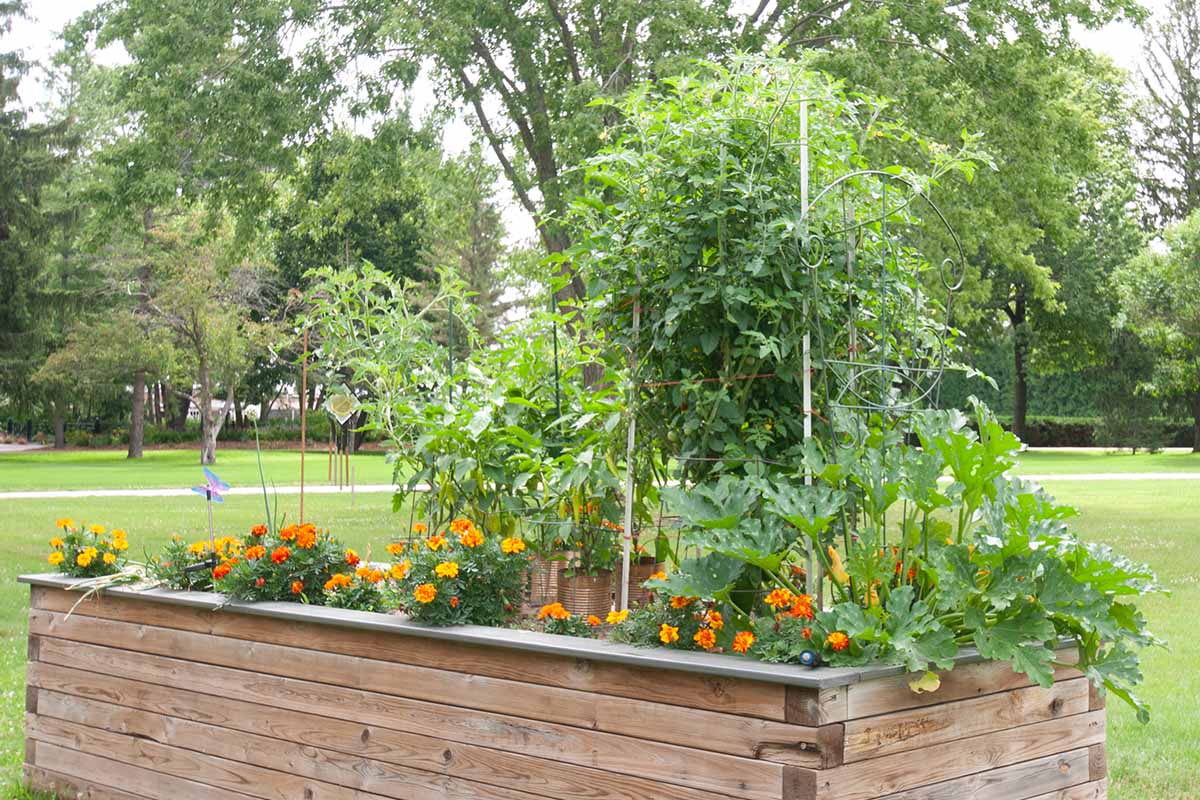
- Marigolds: Marigolds also attract beneficial insects and deter pests. They can also help to improve the flavor of tomatoes.
- Borage: Borage attracts pollinators, such as bees and butterflies. It also helps to repel nematodes, which can damage tomato roots.

- Sunflowers: Sunflowers help to attract pollinators and provide shade for tomato plants. They can also help to improve the flavor of tomatoes.

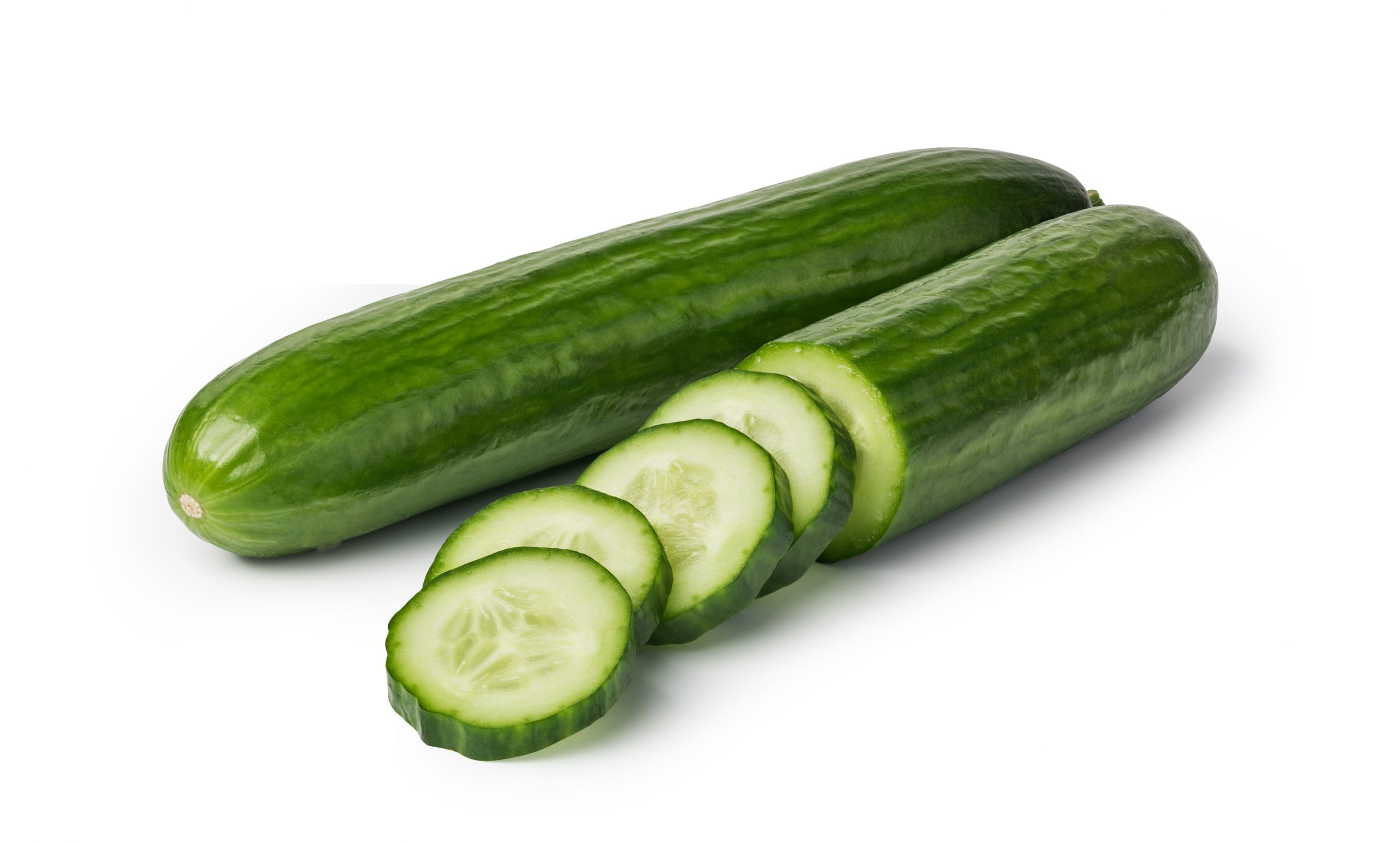
- Cucumbers: Cucumbers and tomatoes can be planted together because they have similar growing requirements. They also help to protect each other from pests.
Q: What are some bad tomato companions?
A: Some bad tomato companions include:
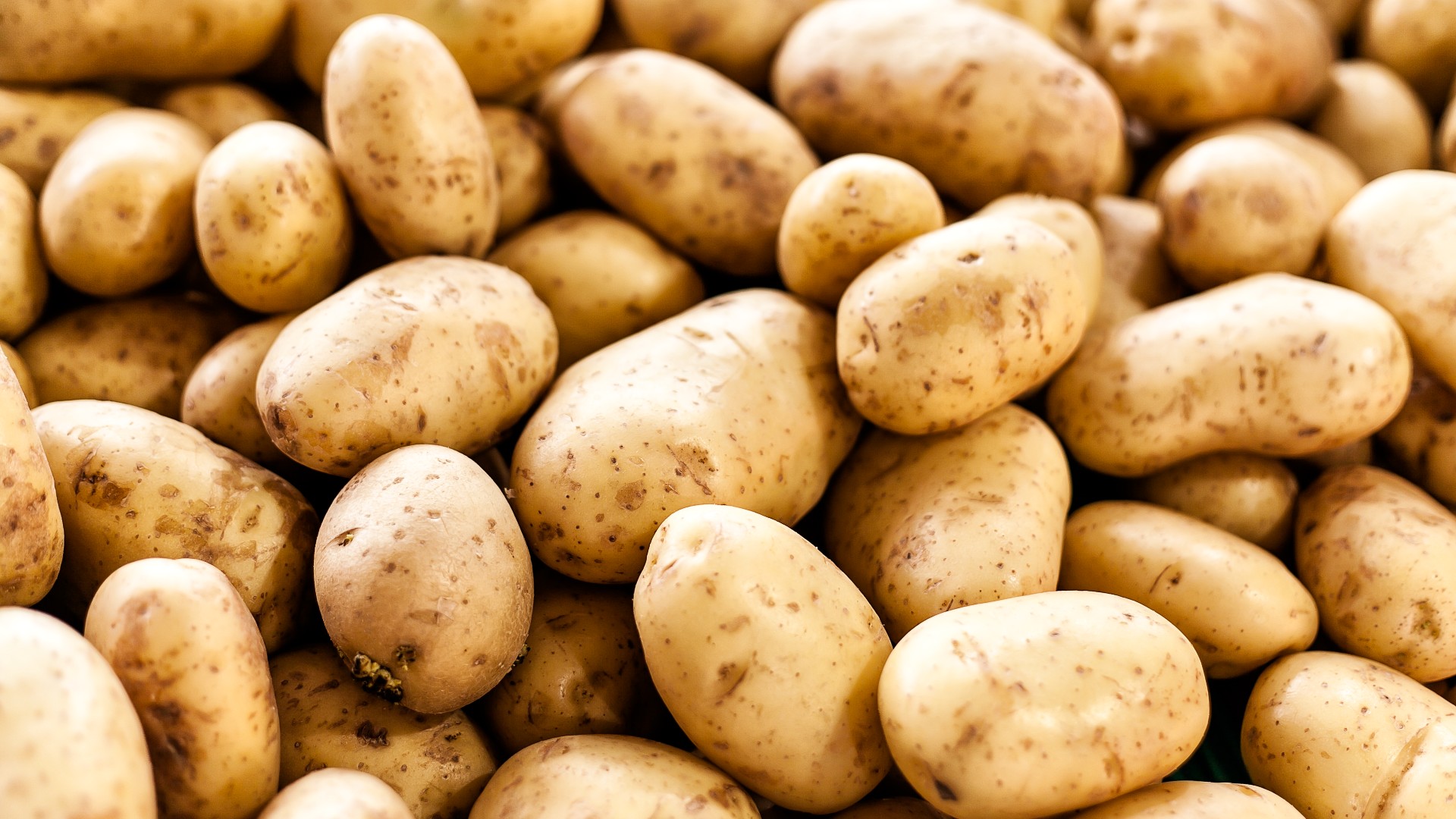
- Potatoes: Potatoes and tomatoes are both members of the nightshade family, and planting them together can encourage the spread of diseases.
- Eggplant: Eggplant and tomatoes are also both members of the nightshade family, and planting them together can encourage the spread of diseases.

- Peas: Peas can compete with tomato plants for nutrients.

- Melons: Melons can attract aphids, which can damage tomato plants.
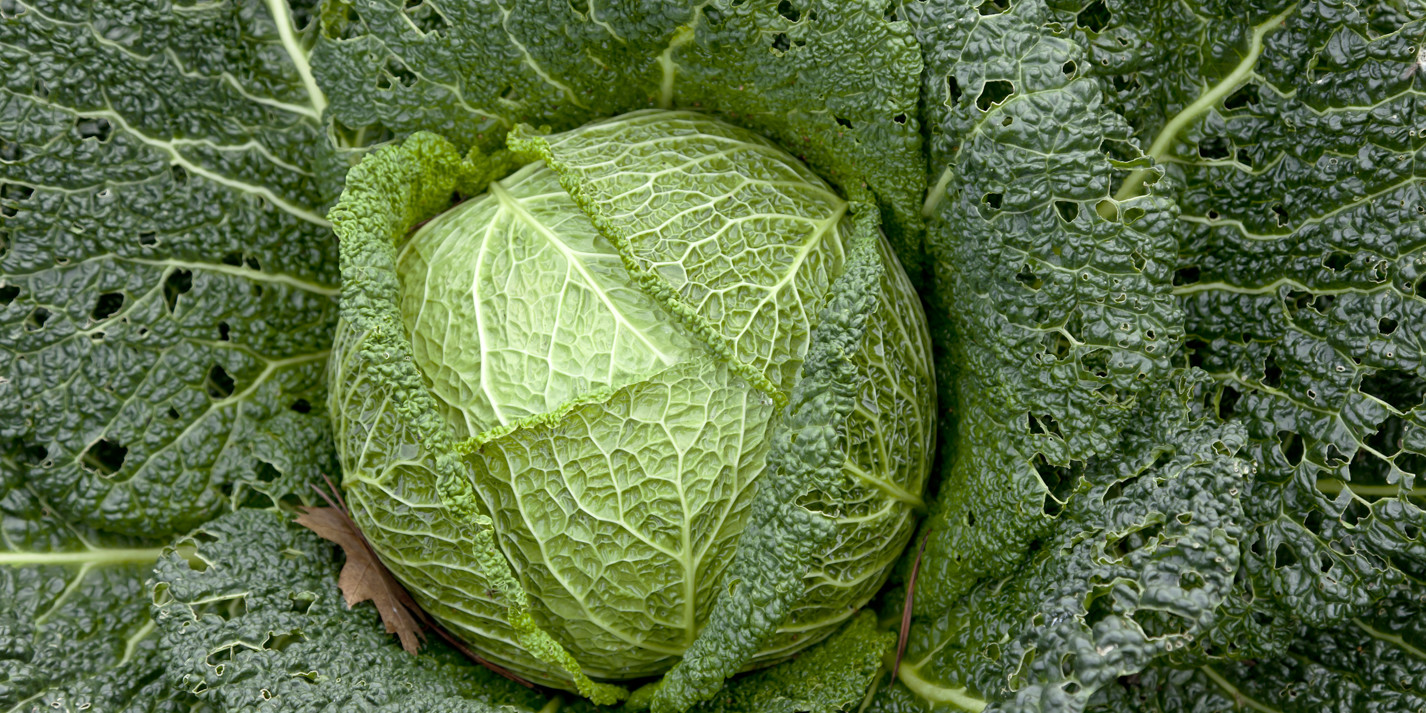
- Cabbage: Cabbage can attract pests that can also damage tomato plants.
Q: How do I plant tomato companions?
A: When planting tomato companions, it is important to consider the size of the plants and their growing requirements. Some companion plants, such as sunflowers, can grow quite large, so it is important to plant them far enough away from tomato plants so that they do not shade them out.
It is also important to plant companion plants that have similar growing requirements. For example, nasturtiums and marigolds both prefer full sun, so they would be a good choice to plant with tomatoes.
Q: Where can I find more information about tomato companions?
A: There are many resources available to learn more about tomato companions. Some good places to start include:
- The National Gardening Association: The National Gardening Association has a website with a wealth of information about companion planting, including a list of recommended tomato companions.

- The Old Farmer's Almanac: The Old Farmer's Almanac is another great resource for information about companion planting. They have a section on their website dedicated to tomato companions, as well as a number of articles and tips on companion planting.

- Your local library: Your local library is a great place to find books and articles about companion planting. They may also have a gardening reference librarian who can help you find the information you need.
Image of tomato companions
- Nasturtiums: Nasturtiums are a great companion plant for tomatoes because they attract beneficial insects that help to control pests. They also help to deter aphids and whiteflies.
- Marigolds: Marigolds are another great companion plant for tomatoes because they help to repel nematodes, which are soil-dwelling pests that can damage tomato roots.
- Chives: Chives are a culinary herb that can also be grown as a companion plant for tomatoes. They help to improve the flavor of tomatoes and also help to repel pests.
- Beans: Beans are a nitrogen-fixing plant, which means they can help to improve the soil quality for tomatoes. They also help to shade the soil, which can help to prevent it from drying out.
- Basil: Basil is a culinary herb that is often grown alongside tomatoes. It helps to improve the flavor of tomatoes and also helps to repel pests.

Post a Comment for "The Perfect Pairings For Summer Tomatoes"